
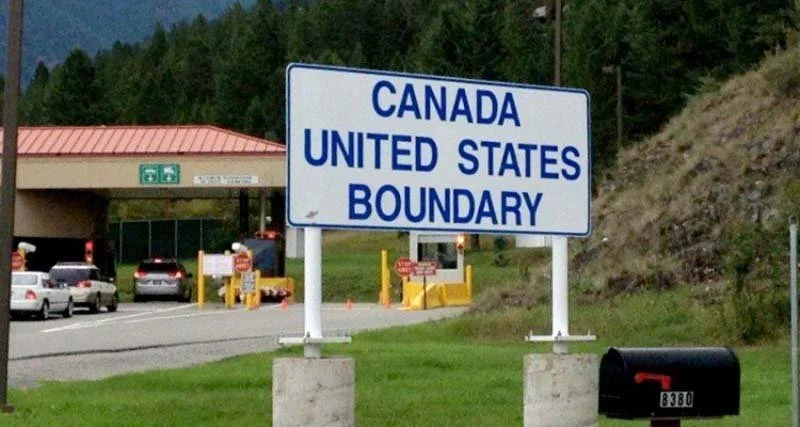
International travel to Canada requires:
A physical examination by a federally accredited veterinarian. Dr. Wilson is a federally accredited veterinarian.
A negative Coggins test within 6 months of travel to Canada. To learn more about a Coggins test, refer to the horse health article “Coggins Test for EIA”.
A separate USDA–Canada CVI, which is valid for only 30 days. The horses must be back in the USA by the end of the 30 days, or a new Canadian CVI will need to be generated in Canada for the horses to return to the USA.
Consequences of Not Having a USDA-Endorsed CVI
Without a USDA-endorsed Certificate of Veterinary Inspection (CVI), there are significant risks and potential consequences for entering Canada with a horse.
Potential Outcomes
Denial of Entry: The horse may be denied entry into Canada, as the CVI is essential for proving the animal's health status.
Return to the U.S.: If denied entry, the horse could be sent back to the U.S., which may entail additional costs and logistical challenges.
Quarantine: The horse may be quarantined at the owner’s expense until the proper documentation is provided, resulting in further delays and potential health risks for the animal.
Importance of Compliance
Having a USDA-endorsed CVI is crucial for ensuring compliance with Canadian import regulations. This certificate verifies that the horse meets all health requirements necessary for entry, thus preventing complications during travel.